
How to Search Court Dockets in New Mexico
A smart docket search starts with the case, not with a guess about the office. Match the court record first. New Mexico Case Lookup serves as the free public index across several court levels. Type in a name or case number. It can narrow the court, the category, and the year. That still leaves the official register with the clerk of the originating court. The filed case papers sit there too. Want the full docket or a certified copy? Use the county directory to reach the court tied to the case.
- Open New Mexico Case Lookup and choose the court type and location if known.
- Search by a party name or enter the case number as it appears on a notice. Narrow by case category or filing year when the form allows it.
- Check the case header and status, then read the visible register entries in date order. Treat a result as case information, not as the filed paper itself.
- For a hearing, compare the latest case notice with the court's current calendar and confirm a changed or urgent setting with the court.
- For the complete docket, a document, or a certified copy, contact the clerk who holds that case through the county directory.
Which court holds a docket depends on the case type and where the filing happened. A statewide search points you to that court. It does not merge local clerk files or put every record online for the public.
New Mexico Case Lookup Search Fields
The portal breaks its search into separate fields. Some fill in on the fly. Because of that, the Judiciary's public instructions skip a fixed list of court locations and categories. What follows are the documented fields, with anything unknown stated plainly.
| Field | Type | What It Helps Identify |
|---|---|---|
| Name | Last, first, middle text | Party name; exact wildcard behavior is not confirmed. |
| Driver's license | Number and issuing-state selector | A documented optional search route; it is not a driver-history record. |
| Date of birth | Full date or year-only input | Can narrow a search; private identifiers are not shown in public results. |
| Court type and location | Dynamic dropdowns | Choose the court level and location tied to the case. |
| Case category | Dynamic dropdown | Examples include CV and CR; the full live list is not published in static guidance. |
| Filing date | Date or date range | Helps separate cases; no maximum range was documented. |
| Case number | Segmented text | Use the full court-issued format, including its hyphens. |
The New Mexico Case Lookup entry screen is the public's way in. Its JavaScript controls shift whenever the Judiciary updates the portal.
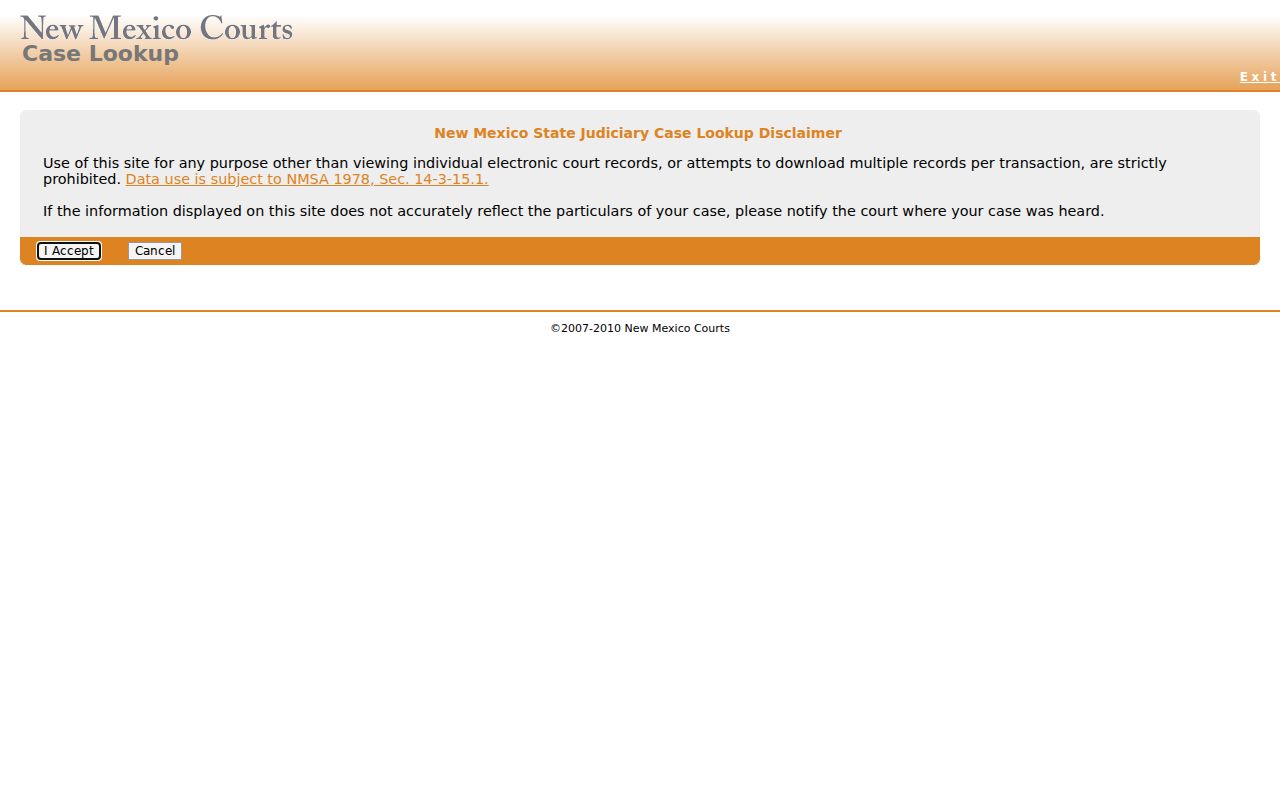
The fields can locate a case for you. They do not promise a full public file, a downloadable document, or a certified record.
The New Mexico Statewide Case Search
New Mexico Case Lookup needs no registration. It opens case information from the Supreme Court, the Court of Appeals, District Courts, Magistrate Courts, Bernalillo County Metropolitan Court, and Municipal Courts. Coverage still varies. Not every file or case category shows up there. Municipal data is thin in particular: Judiciary guidance limits it to specified criminal domestic-violence records and historical DWI convictions going back to September 1, 1991. Juvenile criminal cases are excluded, along with Family Violence Protection Act protection-order entries.
Think of a result as an index and case-history view. Public Case Lookup shows no filed document images. A registered user may reach documents through re:SearchNM instead, and current Judiciary guidance still points to Secured Odyssey Public Access while system issues get worked out. For more on the court levels and their systems, see the New Mexico court system page.
The Judiciary's public-access and re:SearchNM explanation draws the line between the no-login public index and the registered access tiers.
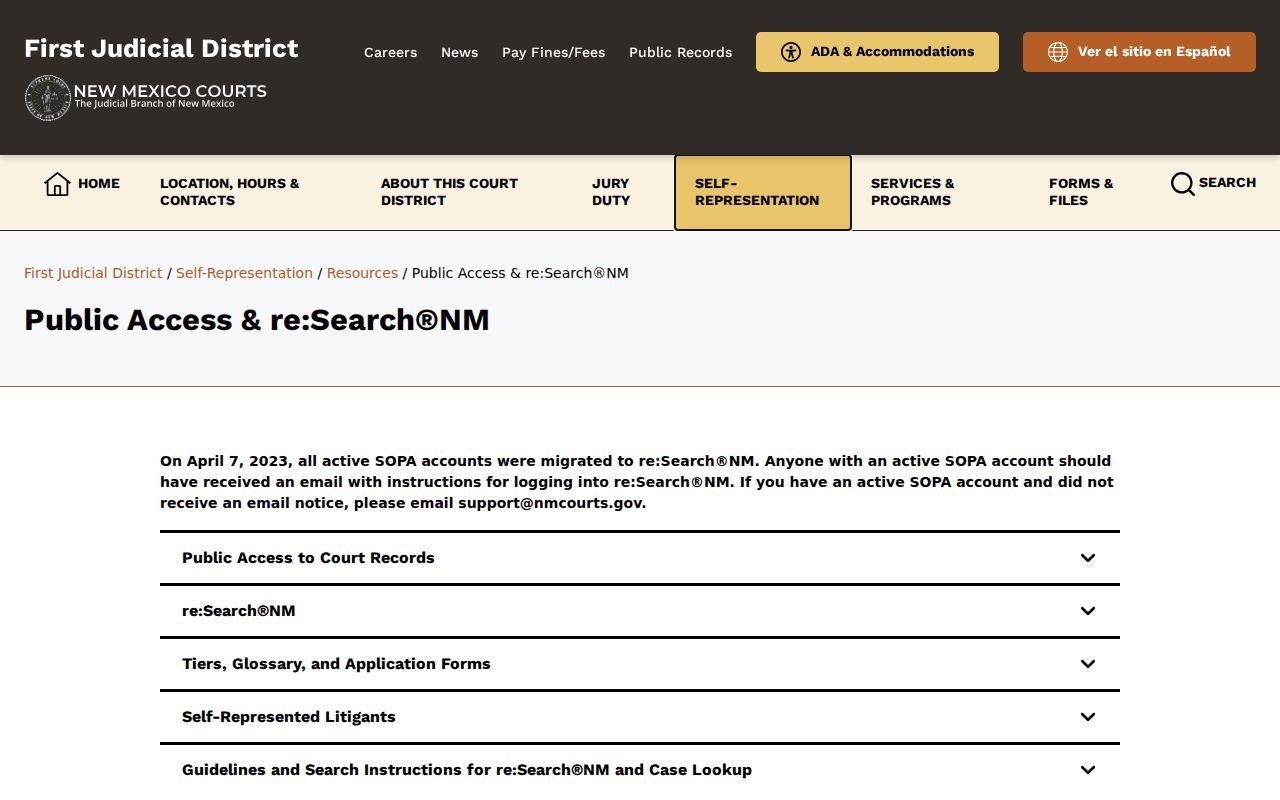
Let the public layer identify the case. Then take questions about documents to the clerk or an authorized portal profile.
Note: a statewide result can orient a records request. Only the assigned court confirms whether a specific document is available.
Missing Cases in the New Mexico Index
An empty result does not mean the court never opened a case. Check the spelling, the filing year, the court location, and the category before concluding anything. Then ask whether the record predates 1997. Also ask whether it involves a juvenile or protected proceeding. Or it may be a municipal ticket outside the narrow slice Case Lookup shows. A court register can exist even when the statewide screen returns nothing.
Older files go through a separate pre-1997 request route. The clerk may have to pull paper, microfilm, or archived material. For any public record that is not online, contact the right court clerk. You can also use the routed Judiciary records request. A portal gap is not a dismissal, an expungement, or a finding about the case. The court holding the file can explain how to get it and any restriction that applies.
Which Courts Keep Dockets
Jurisdiction decides where a case file lands in New Mexico. District Court is the general-jurisdiction trial level. Magistrate, Metropolitan, Municipal, and Probate Courts each take on distinct limited or local matters. The appellate courts keep a separate docket once an appeal is filed. The Judiciary currently lists 13 judicial districts covering all 33 counties and 34 District Courts, though those figures count districts and court units, not one courthouse per county.
| Court | Docket Covers | Where to Search |
|---|---|---|
| District Court | Felony trials, general civil matters, domestic relations, juvenile cases, and contested estates | Case Lookup for public case information; District Court Clerk for the official file |
| Magistrate Court and Bernalillo County Metropolitan Court | Misdemeanors, DWI, traffic, limited civil matters, and felony first appearances or preliminary proceedings | Case Lookup where covered; local court clerk for the docket and papers |
| Municipal Court and Probate Court | Local ordinance and petty-misdemeanor matters; informal or uncontested estate administration | Use the court named on the notice; public portal coverage is limited by case type |
| Court of Appeals and Supreme Court | Appeals, writs, opinions, and matters within appellate jurisdiction | Case Lookup and the relevant appellate clerk or court site |
Which New Mexico Court Holds the Docket?
Start with the court named on your citation or case notice. That notice usually tells you whom to call. State-law traffic and many misdemeanor cases begin in Magistrate Court. Metropolitan Court takes them if the case is in Bernalillo County. Municipal Court handles local ordinance matters. A felony may pass through a lower court first. It can then land on a separate District Court trial docket. That split explains why one statewide result rarely answers every question about where a case sits now.
The New Mexico Judiciary site currently lists 43 Magistrate Courts, 78 Municipal Courts, and 33 Probate Courts. Those are court-unit counts. They can change. Getting the file means contacting the right clerk. The District Court Clerk keeps district-level records. The Magistrate, Metro, Municipal, or probate clerk holds whatever was filed in that court. If the court is unclear, read the court location shown in the case header. Call that clerk before requesting a copy.
Note: One judicial district can serve several counties. Match the district and court location in the case header.
What a Court Docket Shows
New Mexico Rule 1-079 defines the record. Filed or lodged documents count. Docket entries and the register of actions count too, because they record activity in a case. A public Case Lookup result may show a case number, court, category, filing year or date, status, and party information subject to visibility limits. The live display is dynamic. Not every field is guaranteed for every case.
| Case number | Court-assigned identifier; format varies by court and system era. |
|---|---|
| Parties | Names or roles may appear, subject to the case's access limits. |
| Register activity | Chronological filing and event entries; the linked document itself may not be public online. |
| Hearing setting | Date or hearing information may appear; confirm a live date with the court. |
| Court and judge | Location and assignment details vary in the public view. |
| Disposition | Outcome or status may be summarized; read it with the signed order or judgment. |
A docket line is not the filing itself. It is not a certified judgment either, so when an official copy of the controlling case document matters, ask the clerk.
New Mexico Case Numbers and Docket Terms
Copy the number straight from the notice. A number rebuilt from memory invites mistakes. A First District example looks like D-101-CV-9801525, while a representative criminal format is D-202-CR-2024-12345. The prefix, court-location code, category, year, and sequence help identify a file, though exact segmentation differs by court and system era.
- Register of actions
- The court's chronological record of case activity; New Mexico Rule 1-079 treats it as a court record.
- Case category
- A code such as CV or CR that labels a civil or criminal case family, not necessarily an event abbreviation.
- Reset or continuance
- A proceeding has been rescheduled or postponed; check for the later notice or order.
- Disposition
- The recorded outcome or status; the signed judgment or order gives the authoritative terms.
No statewide event-code glossary exists. The Judiciary publishes none, so when an abbreviation is unfamiliar, ask the clerk for the entry or document in context.
New Mexico Hearing Calendars Are Local
No single statewide calendar search exists. Each district posts schedules its own way. Divisions often get separate listings. A calendar can also be incomplete or revised without warning. The Second Judicial District publishes Civil, Criminal, Family, and Children's Court schedules. It says online calendars are produced at about 3 p.m. each business day. The Fourth District posts the current day plus six days ahead. Neither practice binds the rest of the state.
The Second District docket and calendar page shows one local approach in practice.
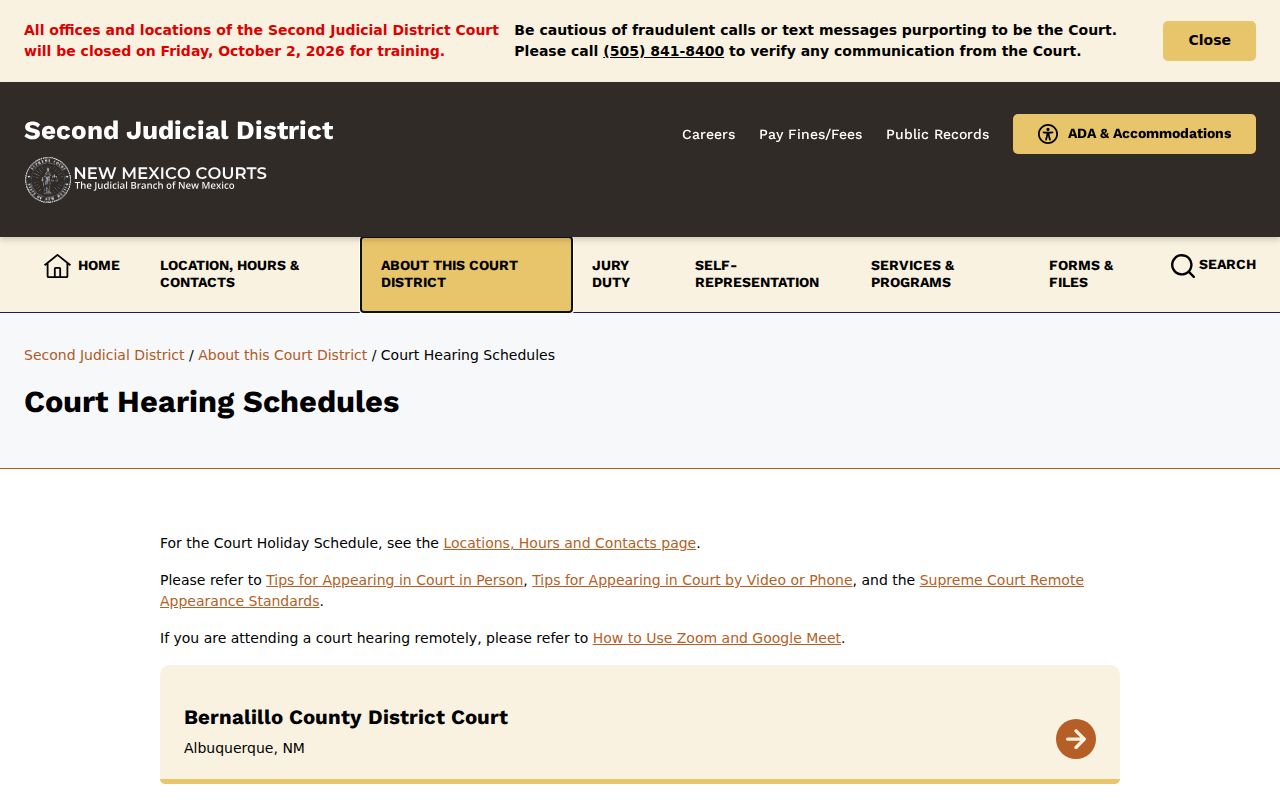
Check the schedule against the latest register notice. Then call the court coordinator or division office when the date, time, or appearance method matters. A published calendar is one view of a setting. It may lag a later notice or order in the register.
Public Access to Dockets
New Mexico court records are generally open to public inspection. Protection comes only from a rule, statute, or court order. The Inspection of Public Records Act (IPRA) covers public records held by public bodies. Judiciary rules and case-specific orders apply too. A public index is one access method. It is not a promise that every filed document becomes an unrestricted online record.
Key New Mexico access rules:
Rule 1-079 NMRA sets the public-inspection presumption, defines court records, and governs sealing and protected identifiers. The revised text applies to cases pending or filed on or after December 31, 2025.
IPRA, NMSA 1978 §§14-2-1, 14-2-8, and 14-2-9 explains public-body inspection requests, reasonable particularity, and requester contact details, subject to statutory exceptions.
Rule 1-005.2 NMRA governs civil e-filing and service; filing rules do not replace separate public-access and redaction rules.
Children's Code §§32A-2-32 and 32A-4-33 protect specified juvenile and abuse-or-neglect records.
IPRA never overrides a sealing order. Nor does it trump a confidentiality rule, so for a case-specific access decision, ask the court that holds the file about the proper request or motion.
New Mexico Rule 1-079 Boundaries
Rule 1-079 masks sensitive identifiers in public records. Only the last four digits of Social Security, taxpayer, financial-account, and driver's-license numbers may appear. Only the birth year shows. Case Lookup also says personal information such as Social Security numbers and addresses is not displayed. Do not treat the public screen as a source for those underlying details.
Some proceedings stay confidential by law or rule. Adoption is one category. So are abuse-and-neglect, families-in-need-of-court-ordered-services, and mental-health matters. The Judiciary also keeps juvenile criminal cases and Family Violence Protection Act order-of-protection entries out of public Case Lookup. A registered account does not by itself authorize disclosure of a sealed or protected file.
New Mexico FY25 Court Workload
Workload numbers describe case flow, not court structure. For fiscal year July 2024 through June 2025, Magistrate Courts reported 154,664 incoming matters and 159,727 outgoing matters. Incoming counts new, reopened, and reactivated cases. Outgoing counts closed ones. It also counts inactivated cases, so keep those definitions in mind when you compare a flow total with the number of cases still pending.
The New Mexico Judiciary reports archive links the annual statistical addendum and court-performance materials.
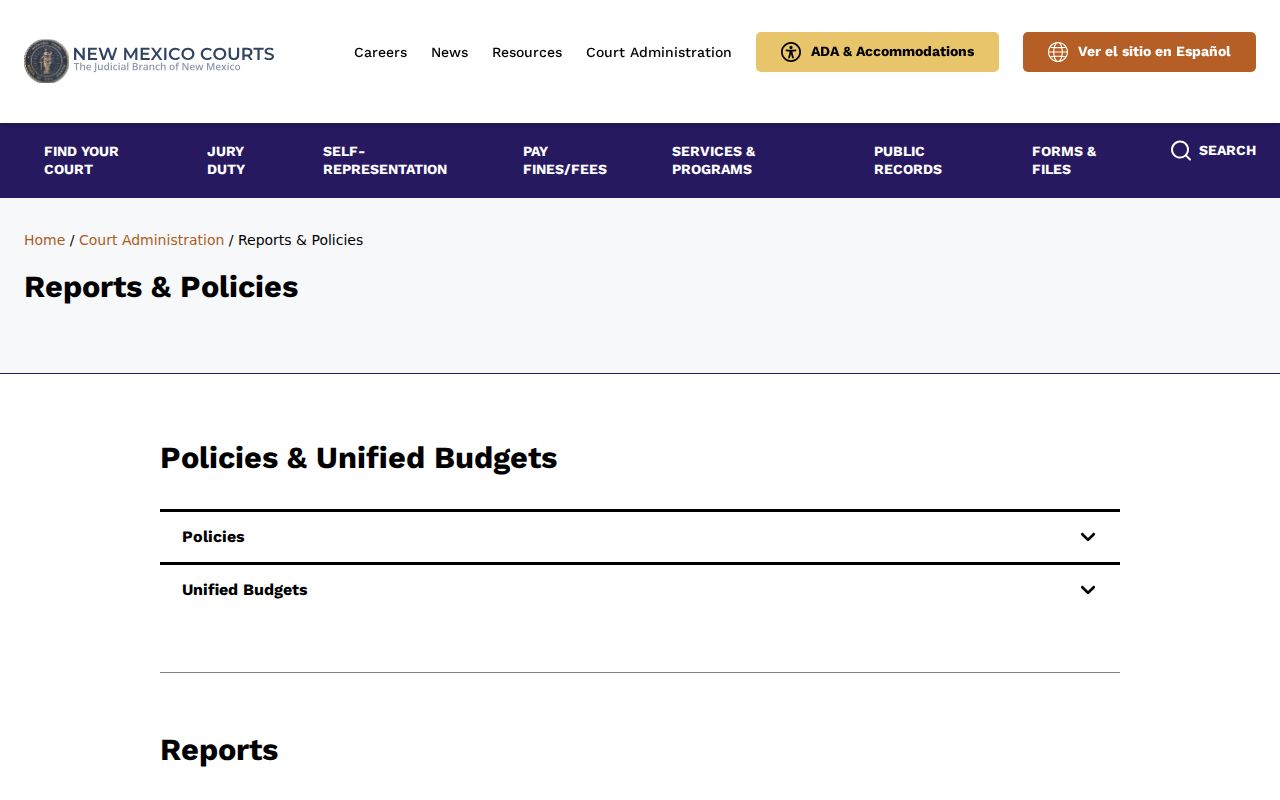
The FY25 addendum puts the Magistrate clearance rate at 103.3 percent. Measured outgoing cases exceeded incoming cases that period. That does not mean every older case closed. Pending matters remain. District Court and Bernalillo County Metropolitan Court publish separate workload measures, so do not add figures casually across categories. A one-year flow measure describes work counted during that period, not the status or expected timeline of a specific case.
New Mexico Court E-Filing
Attorneys in New Mexico file and serve papers through a system called eFile & Serve. That platform delivers filings to the court. Public case lookup happens elsewhere, in the separate New Mexico Case Lookup product. Court rules make civil e-filing mandatory in the Supreme Court, the Court of Appeals, the District Courts, the Magistrate Courts, and Bernalillo County Metropolitan Court. Exceptions and local details are left to those rules. The Judiciary's e-filing overview lays out the covered courts and the attorney filing rules.
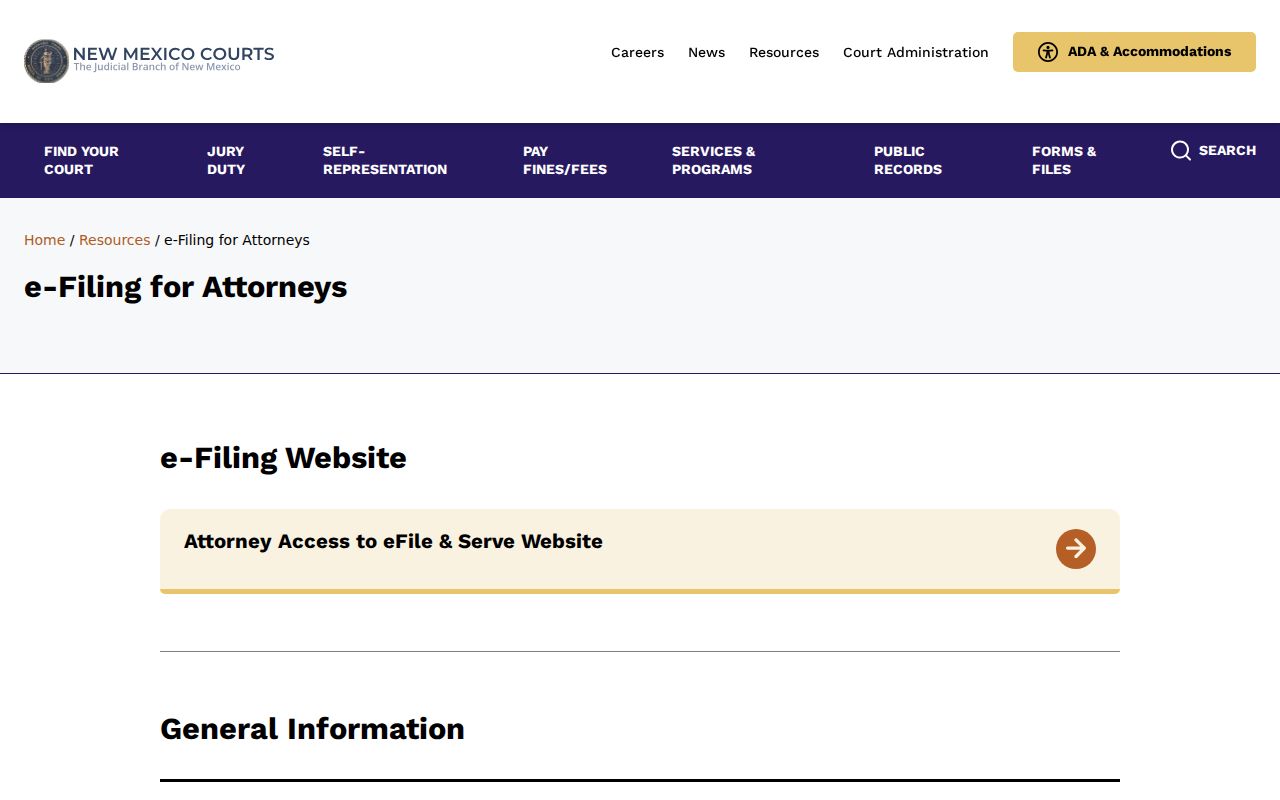
Criminal work came later. District criminal subsequent filings opened in 2019, and attorney criminal subsequent filings became mandatory in Magistrate Courts and Bernalillo Metro on October 14, 2024. One caution: a filing receipt only confirms delivery. It does not mean the court accepted the filing or that the public can see it, and the clerk's official register still governs the record.
New Mexico Appeals Keep a Second Docket
An appeal creates a second case. The notice may show up in the trial-court register. Yet the appellate clerk tracks the appeal under its own number. Most appeals from District Courts go to the New Mexico Court of Appeals. The New Mexico Supreme Court sits at the top, taking mandatory categories plus discretionary review. So a person following an appeal may need two numbers: the originating case number and the appellate one. The Supreme Court of New Mexico's official site publishes public court information and appellate resources.
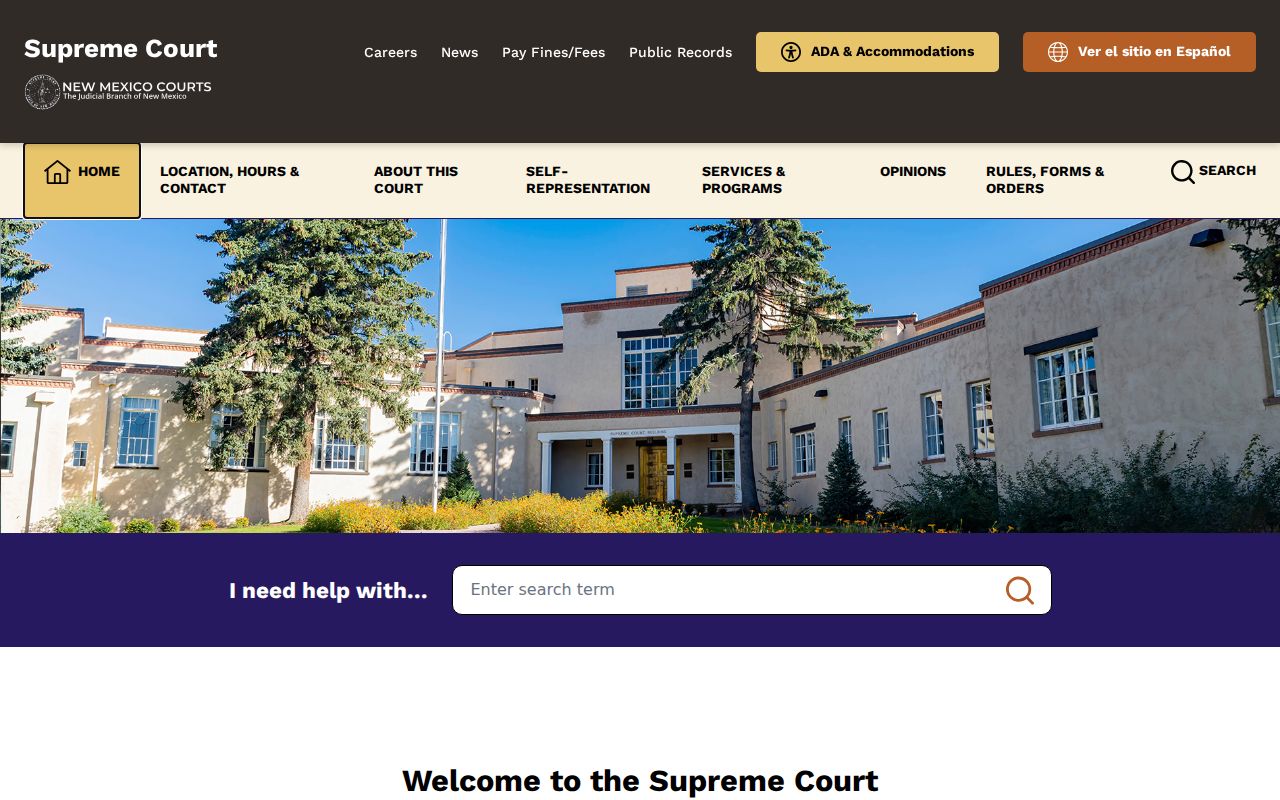
Appellate briefs and opinions can often be read online. A certified copy of an appellate file, though, comes only from that court's clerk. For the underlying record, the trial-court clerk remains the source.
New Mexico Federal Dockets Use PACER
Federal cases never surface in the New Mexico state-court index. The U.S. District Court for the District of New Mexico keeps its civil and criminal cases on CM/ECF. PACER serves as the public electronic docket service. Bankruptcy goes to its own place, the U.S. Bankruptcy Court for the District of New Mexico. The same event litigated in state and federal court produces two case records and two clerks. The U.S. District Court for New Mexico posts federal court and clerk information.
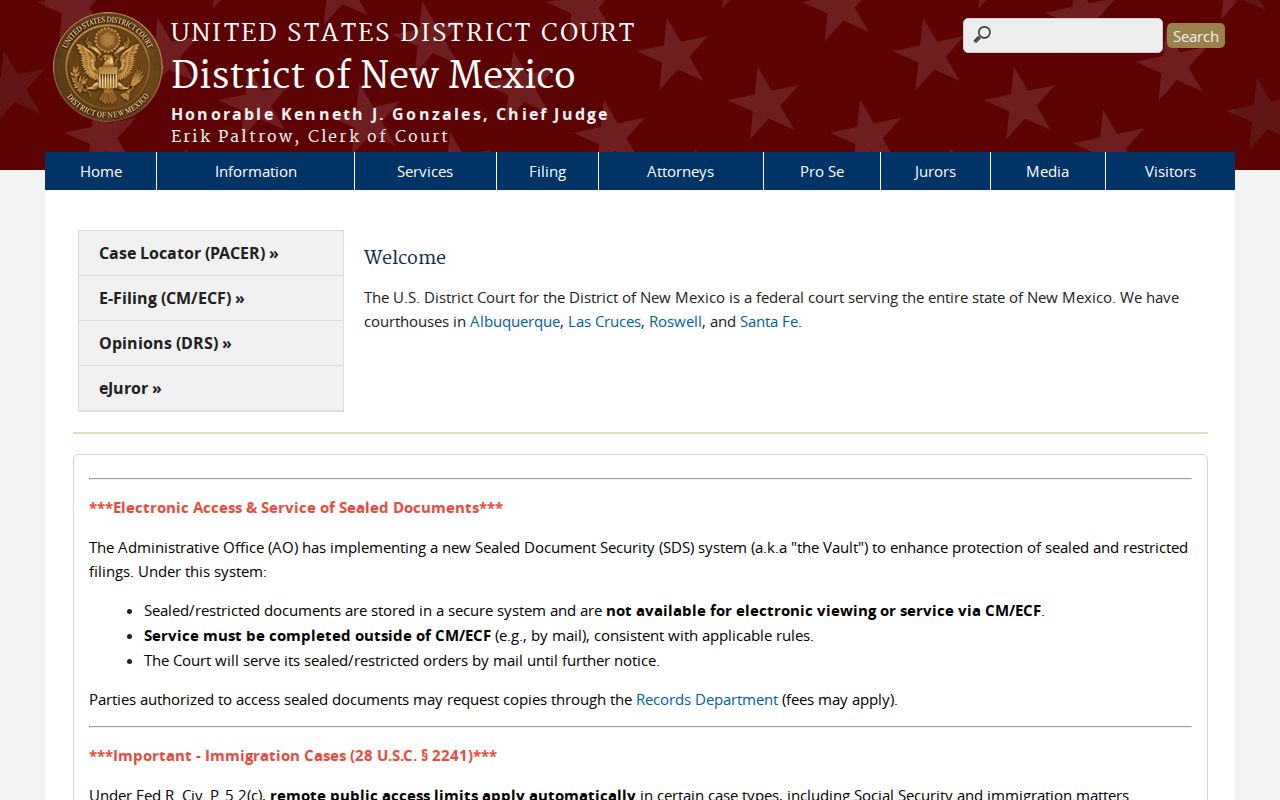
A federal case file stands apart from any New Mexico District Court docket. For certified federal records, contact the federal clerk. PACER's federal docket service needs an account and charges its own fees: $0.10 per page, most documents capped at $3, and quarterly charges of $30 or less waived.
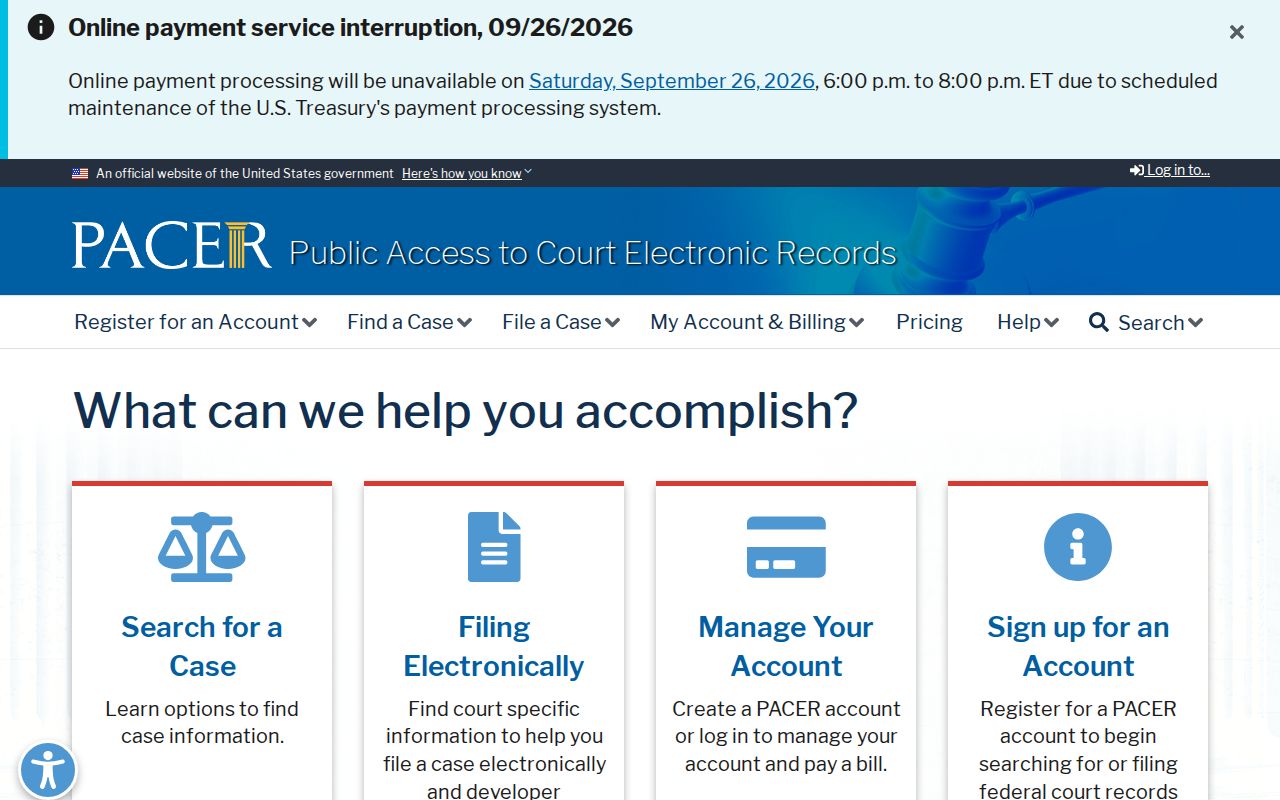
Those federal fees and filing rules do not govern copy requests at a New Mexico state-court clerk's window. Note: A federal case number never moves a matter into New Mexico's state-court index.
New Mexico Specialty Court Dockets
New Mexico's treatment courts take several forms. Programs include adult treatment or drug court, DWI court, veterans treatment court, and mental-health approaches. The Judiciary's Department for Therapeutic Justice offers statewide program information. Each host court still decides participation and local availability. Not every program model runs in every county. The New Mexico Treatment Courts program page describes the statewide specialty-court work.

A program schedule and a public case docket answer different questions. Ask the court clerk what the public can see, since confidentiality rules still govern protected proceedings.
Find Court Dockets by County in New Mexico
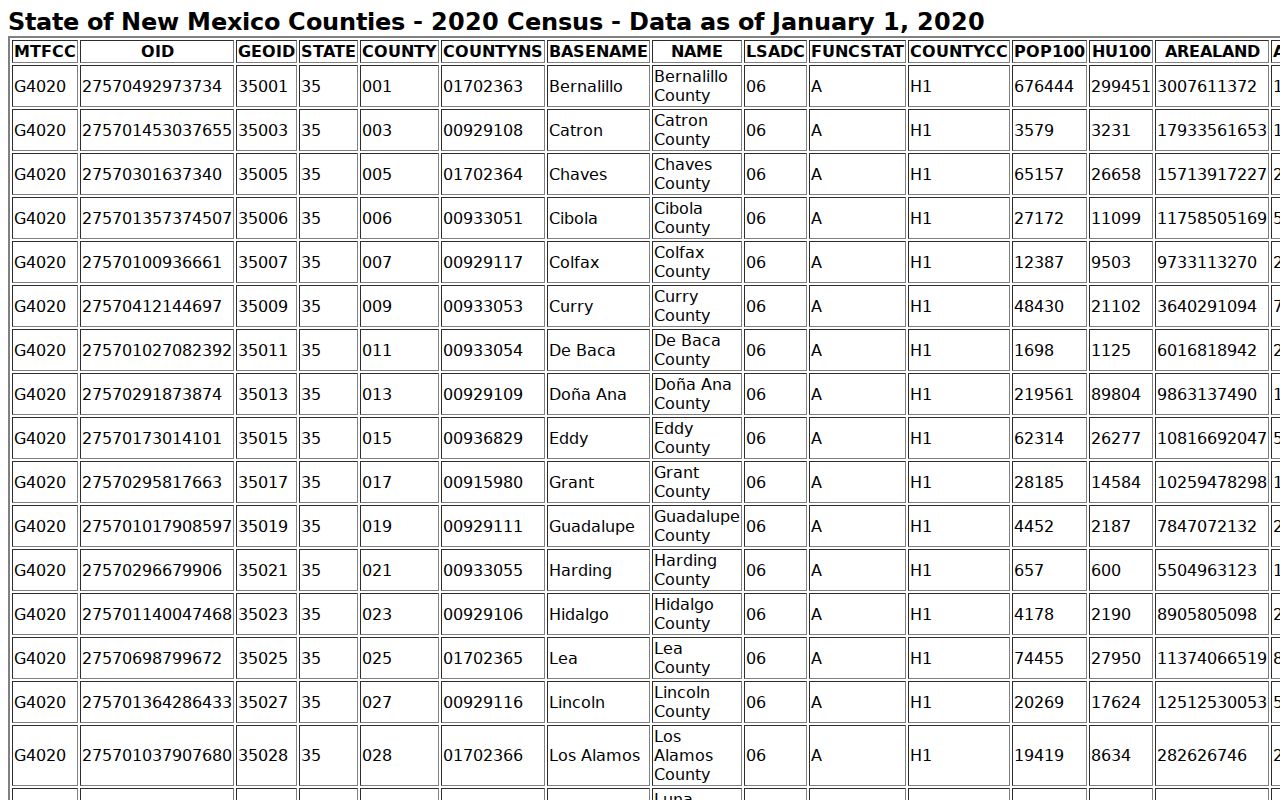
The full docket sheet lives with the court clerk who holds the case. Our county directory links each county folder to its local docket site. Pick the court named on the case. Judicial districts group several counties, and some locations serve a wider area. Six high-population counties make useful starting points, though population alone does not measure case volume. The Census Bureau's 2020 county population table supplies the population context behind these featured places.
Each listed county seat is a reference point only. It does not promise that every division's clerk or courthouse sits there.
Bernalillo County
Albuquerque · Largest county; District and Metropolitan Court dockets follow different clerk routes.
Doña Ana County
Las Cruces · Sixth Judicial District; court level determines the local records custodian.
Santa Fe County
Santa Fe · First Judicial District with Los Alamos and Rio Arriba Counties.
Sandoval County
Bernalillo · Thirteenth Judicial District; distinct from Bernalillo County.
San Juan County
Aztec · Eleventh Judicial District; use the court location shown on the case.
Valencia County
Los Lunas · Thirteenth Judicial District; court-location selection can differ from the county seat.
Note: Begin with the directory of all 33 New Mexico counties. Then use the case notice to identify the court and clerk responsible for the docket.